Missed opportunities to prevent cardiac arrest and subsequent severe hypoxic brain injury

This case story highlights the missed opportunities that could have prevented a cardiac arrest and subsequent severe hypoxic brain injury in an intensive care patient.
Ensuring consistent emergency response to convulsions in children

This case story highlights the need for a consistent emergency response to convulsions in children, looking specifically at sudden unexpected death in epilepsy.
Read more [Continue reading] Ensuring consistent emergency response to convulsions in children
Better joint working and specialist help benefits patients, families and the NHS

This case story highlights the importance of effective integrated working for patients with vulnerabilities.
Liabilities to Third Parties Scheme (LTPS) rules

The Liabilities to Third Parties Scheme (LTPS) rules set out the scope of the scheme.
Read more [Continue reading] Liabilities to Third Parties Scheme (LTPS) rules
Property Expenses Scheme (PES) rules

The Property Expenses Scheme (PES) rules set out the scope of the scheme.
Read more [Continue reading] Property Expenses Scheme (PES) rules
Clinical Negligence Scheme for Trusts (CNST) rules

The Clinical Negligence Scheme for Trusts (CNST) rules set out the scope of the scheme.
Read more [Continue reading] Clinical Negligence Scheme for Trusts (CNST) rules
Learning from suicide-related claims

This thematic review presents a detailed analysis of claims made after an individual has attempted to take their life. Claims relating to completed suicide and attempted suicide are reviewed, regardless of whether the claim resulted in financial compensation. It identifies common problems with care and provides recommendations for improvement to support service delivery.
Read more [Continue reading] Learning from suicide-related claims
Read the benefits of supported decision making (consent)
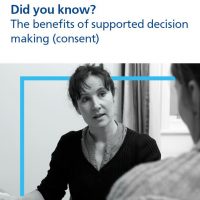
This leaflet provides context for claims cases, the importance of Nadine’s story and what patient-centred consent looks like.
Read more [Continue reading] Read the benefits of supported decision making (consent)