How claims are valued

This note focuses on how claims are valued. The general principle is that damages are paid to a claimant with the aim of restoring them (as far as possible) to the position they would have been in but for the negligence.
Being a witness in a non-clinical negligence claim
This note provides guidance to those who may be approached to give a statement or evidence in court as a witness in a non-clinical claim case.
Read more [Continue reading] Being a witness in a non-clinical negligence claim
Being a witness in a clinical negligence claim
This note provides guidance to those who may be approached to give evidence as a witness if you were involved in providing care and treatment to a claimant on behalf of one of our members (for example, a Trust).
Read more [Continue reading] Being a witness in a clinical negligence claim
Five years of cerebral palsy claims

This report provides an in-depth examination of the causes of these rare but tragic incidents and the investigations that follow them. For the purposes of this study we focused on 50 cases of cerebral palsy where the incidents occurred between 2012 and 2016 and a …
Read more [Continue reading] Five years of cerebral palsy claims
Read saying sorry
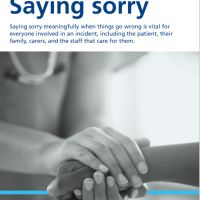
Saying sorry meaningfully when things go wrong is vital for everyone involved in an incident, including the patient, their family, carers, and the staff that care for them. This leaflet is part of our work on duty of candour.